Four lines in the official history, and a long record written by a Tang empress three centuries later: between them they hold a woman who answered exile with eight inches of woven silk that could be read in every direction.
This account rests on two primary texts and nothing later. The first is the brief notice on Su Hui in chapter 96 of the *Jin shu*, the official history of the Jin dynasty, in its section on exemplary women; it gives the outline only — a brocade palindrome of 840 characters, which the historian did not transcribe. The second is the *Record of the Woven Palindrome* (Zhi jin huiwen ji) printed in chapter 97 of the *Quan Tang wen*, signed "Emperor of the Great Zhou" and dated the first day of the fifth month of the Ruyi era (692); it supplies the family detail, the concubine, the quarrel and the reconciliation. The two disagree on the number of poems and characters, and this article states the disagreement rather than harmonising it. Quotations are translated from those two texts.
A wife from Shiping
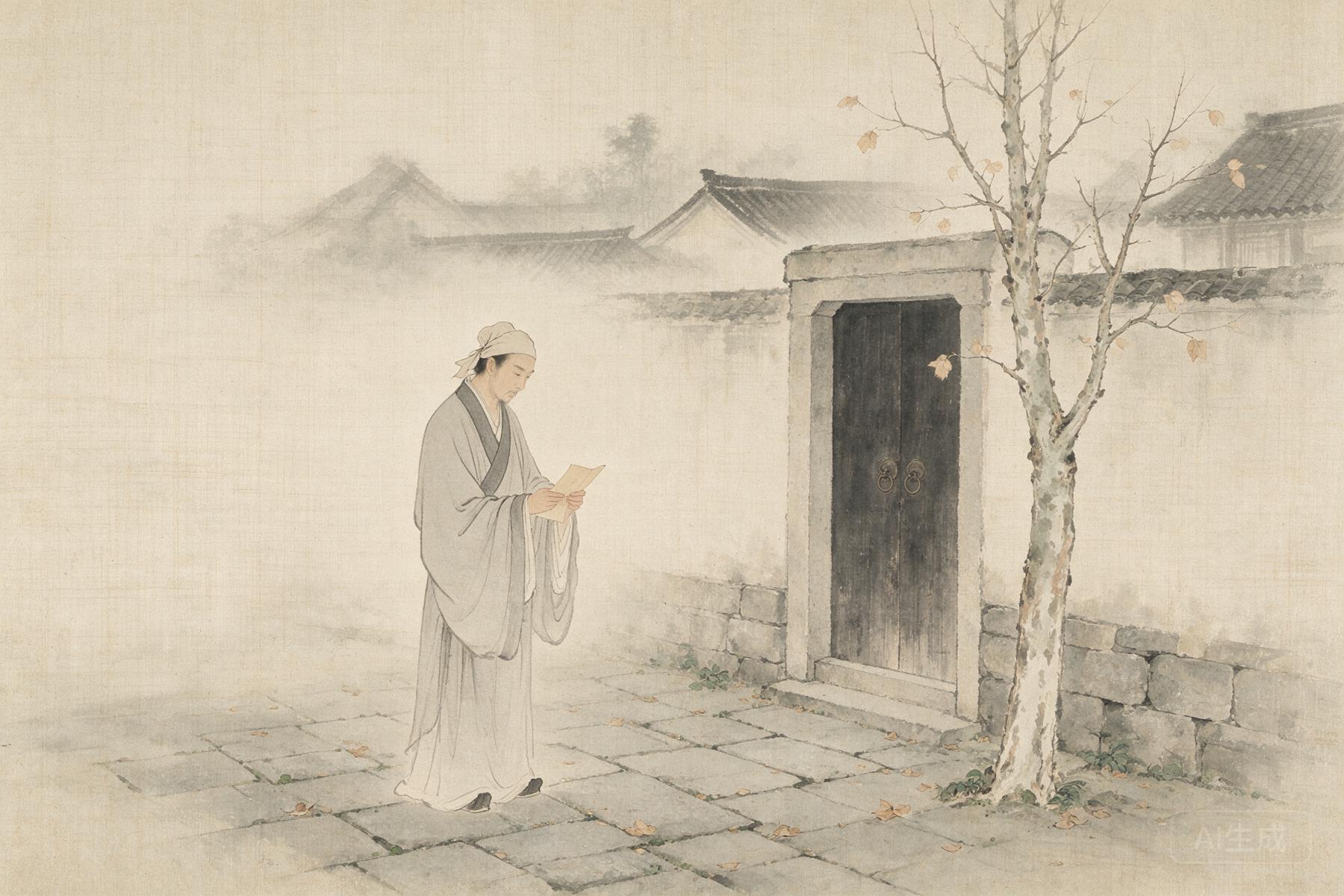
The *Jin shu*, the official history of the Jin dynasty, disposes of Su Hui in four lines. She was, it says, a woman of Shiping, named Hui, styled Ruolan, and good at composition. Her husband Dou Tao served as governor of Qinzhou in the time of Fu Jian, ruler of the Former Qin state; when Dou Tao was banished to the desert marches, she thought of him and wove a palindrome in brocade to send him. Read turning and returning, the words were bitter and grieved; the text ran to eight hundred and forty characters, and the historian declined to copy it out.
That reticence is why the story has to be rebuilt from a second source. In 692 the empress Wu Zetian — signing herself Emperor of the Great Zhou — wrote a record of the woven text, and her version is expansive where the dynastic history is mute. Su Hui, she writes, was the third daughter of Su Daozhi, magistrate of Chenliu: sharp-minded, handsome, modest, "not seeking prominence." At sixteen she married Dou Tao, styled Lianbo, grandson of the general Dou Zizhen, and he respected her. He was also, in Wu's account, a man Fu Jian trusted with confidential business, who passed through high office with a good reputation, was transferred to Qinzhou, and then, having offended an imperial order, was sent into exile at Dunhuang.
A rival, and a refusal
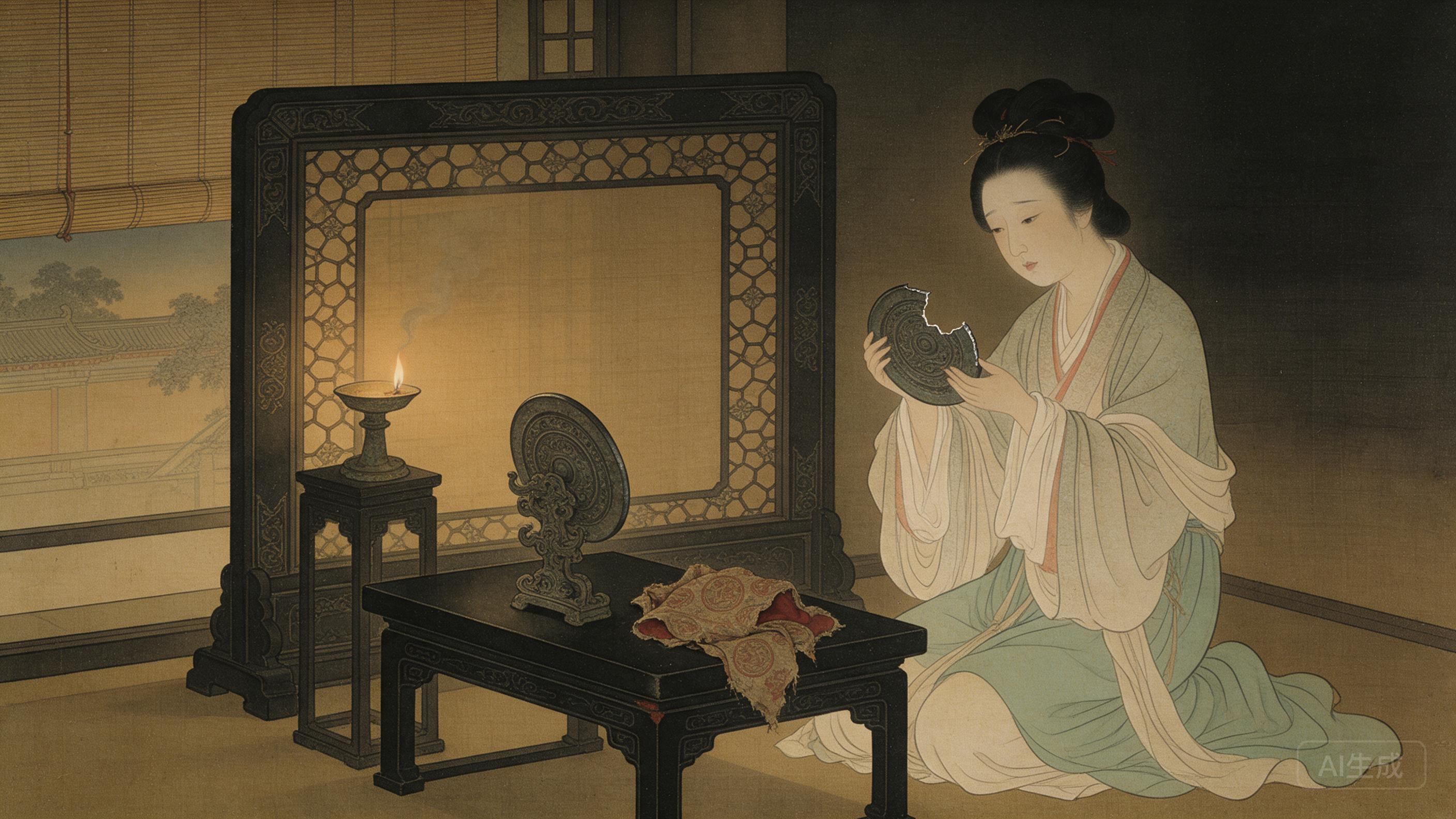
The trouble in Wu's record is domestic. Earlier Dou Tao had taken a concubine, Zhao Yangtai, whose skill in song and dance, the text says, had no equal; he installed her in separate quarters. Su Hui learned of it, had the woman brought to her, and beat her severely, and Dou Tao took this badly. Zhao Yangtai then made a specialty of pointing out Su Hui's faults, and the slander reached him continually.
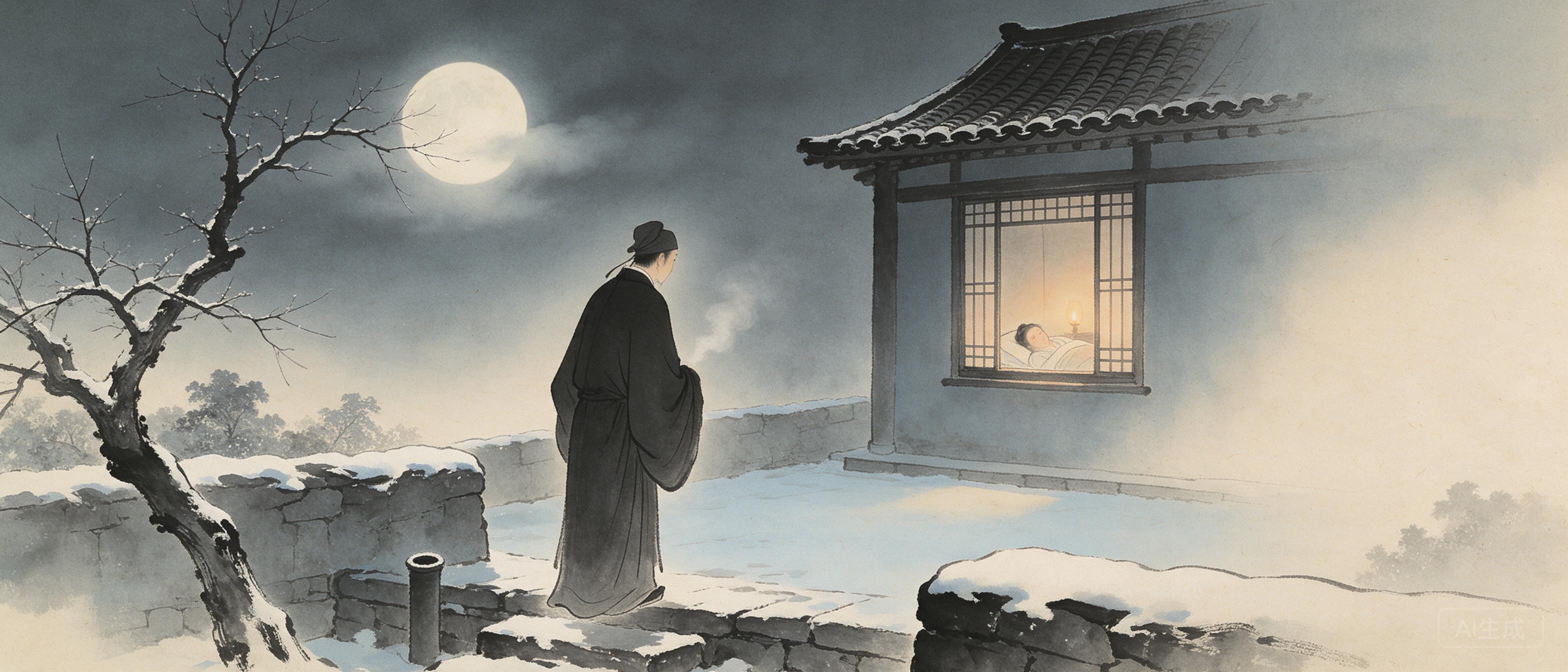
So when Dou Tao was given Xiangyang to hold — Xiangyang, fearing attack as Fu Jian turned against the Jin, needed his abilities — and invited his wife to come with him, Su Hui, then twenty-one, refused in anger. He went with the concubine and cut off all correspondence.
Eight inches square
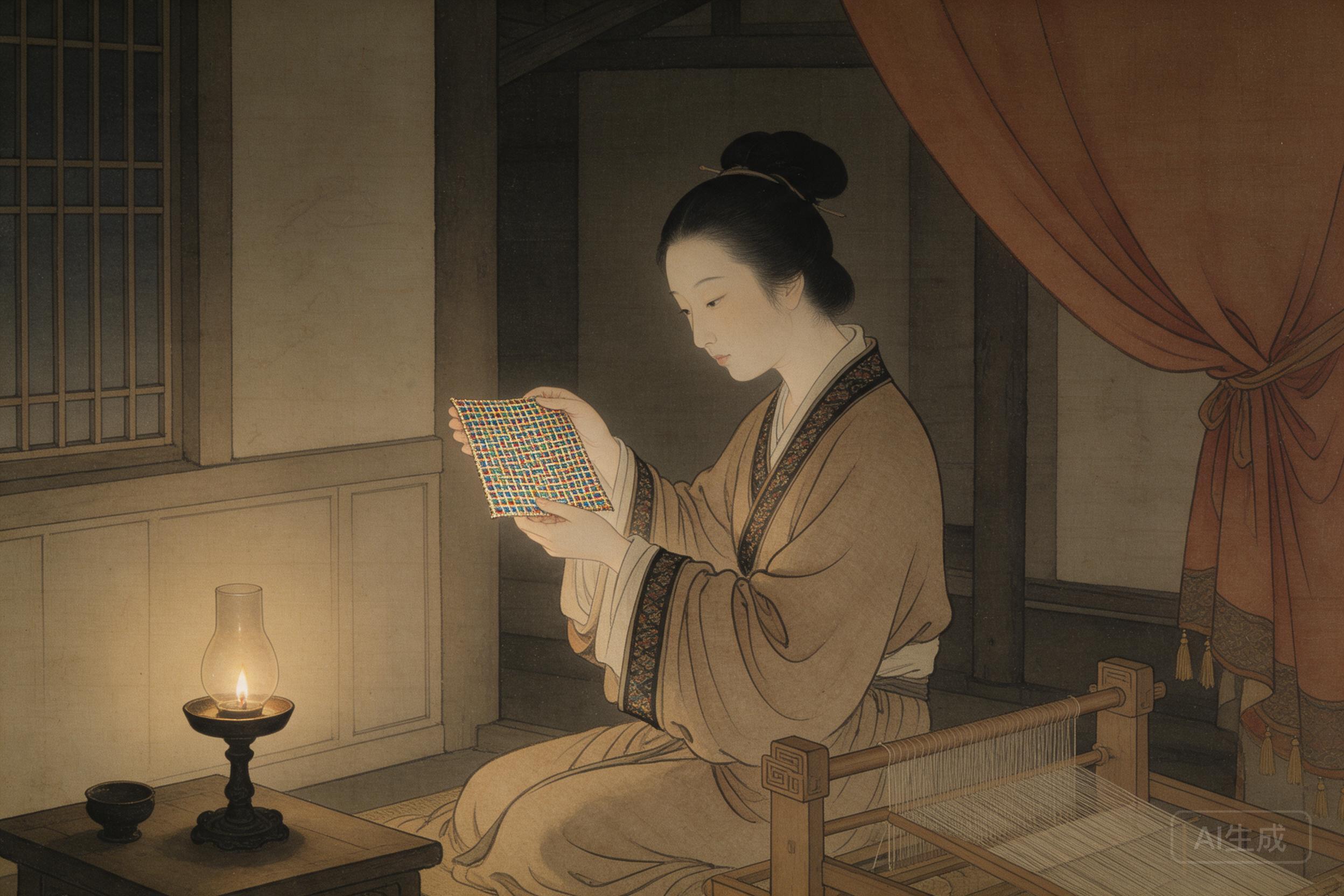
Her answer was to weave. The brocade, in Wu's description, was worked in five colours that "shone to the heart and dazzled the eye," and measured eight *cun* on each side — a square of silk not much wider than a spread hand. Into it she set, the record claims, more than two hundred poems, over eight hundred characters in all, so interlaced that read in any direction, forwards or backwards, they formed complete lines. Not a stroke was missing. She called it the *Xuanji tu*, the "Chart of the Revolving Sphere," borrowing the name of the jade instrument used to chart the heavens.
Nobody could read all of it. Su Hui laughed at that. "Turning and returning, it makes its own text," she said. "No one but me — no other fine mind — can untie it." She sent a servant to Xiangyang with the cloth. Dou Tao read it, was struck by its brilliance, packed Zhao Yangtai off to Guanzhong, assembled carriages and ceremony, and brought his wife back to the south of the Han River, where, the record says, their affection was greater than before.
What survives
Wu Zetian adds a bibliographic note of her own: Su Hui wrote five thousand and more characters of prose and verse, but the disorders at the end of the Sui scattered it, and it could not be recovered. Only the woven text, endlessly copied, survived — "the model of women's grievance in recent times."
The two records do not agree on the number: eight hundred and forty characters in the *Jin shu*, "over eight hundred" in the Tang account, more than two hundred poems there against a single palindrome poem in the history. Neither version reproduces the grid, and neither quotes the whole *Xuanji tu*. What both preserve is the shape of the thing: a private grievance made public in a form that cannot be read in one direction only.
Sources & further reading
Editorial approach